




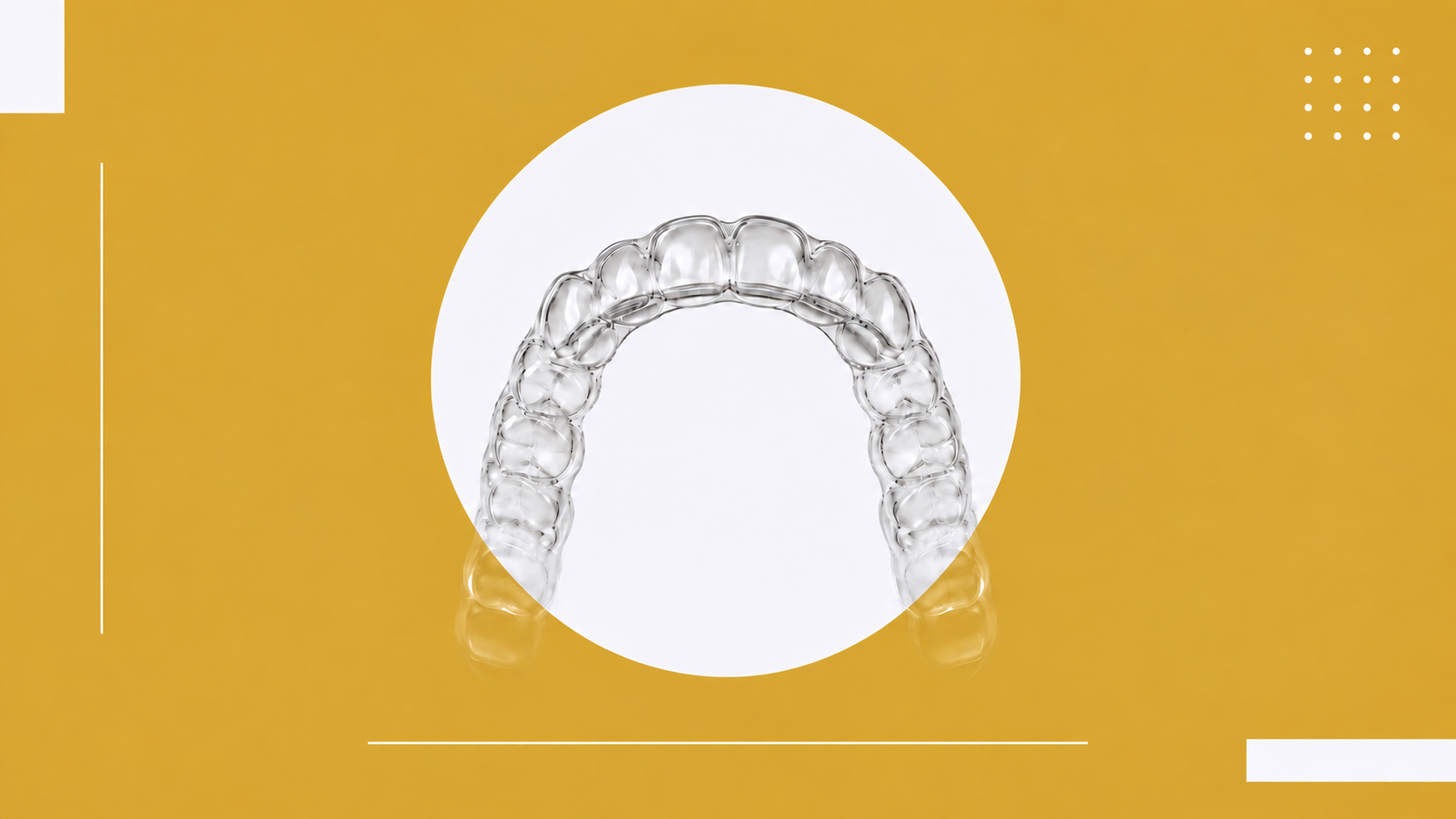
Short answer: Clear aligners may be an option for some deep bite cases. Suitability depends on bite severity, tooth and jaw relationships, oral health and treatment goals.
What is a deep bite?
With a deep bite, the upper front teeth may overlap the lower front teeth more than usual. The degree and associated findings vary between people. Diagnosis uses an oral examination and relevant orthodontic records; a photograph or digital scan alone is not enough.
How are clear aligners considered for a deep bite?
An orthodontist reviews how the front and back teeth meet, tooth positions, jaw relationships, gum and bone support, and the movements needed. Aligners may be considered in some cases; additional appliances, procedures or alternatives such as fixed orthodontic treatment may also be discussed. The decision follows diagnosis and an individual plan.
What to know about the plan and expected outcome
Wearing aligners as instructed and attending review visits are part of treatment. Duration varies with the movements needed and individual response. A digital simulation may support planning but does not guarantee the actual result. Retention and follow-up after active treatment should also be discussed.
Questions to ask at an appointment
- How severe is my deep bite, and what is the treatment goal?
- Which movements are planned with aligners, and could additional steps be needed?
- What are the benefits and limitations of other options?
- How often are reviews expected, and what retention may follow treatment?
Deep bite assessment in Bayrakli, Izmir
At Prof. Dr. Tancan Uysal’s clinic, clear aligner suitability is assessed through an in-person examination and relevant records. This article is general information, not a diagnosis. See the clinic contact page for appointment information.
Author: Prof. Dr. Tancan Uysal · Last updated: October 17, 2026